Place · people
Follow coffee to its origin
Who grew it, and where?
Start with the growing landscape, move into origin guides, then inspect farm and producer records. Not every coffee names an individual farmer.
8 pages on this site carry this tag — reviews, profiles, answers and stories. Tags are derived from our documented data, never invented.
Santa Ana is a premier coffee-growing region in El Salvador, situated within the fertile Apaneca-Ilamatepec mountain range. Renowned for its volcanic soil and high-altitude slopes, the area is celebrated for producing dense, high-quality Arabica beans that typically feature a balanced, smooth profile with notes of chocolate, caramel, and dried fruit.
Research entry updated 2026-09-28 · not source-audited · 5 sources

Santa Ana stands as one of El Salvador’s most significant coffee-producing regions, deeply rooted in the country’s agricultural history. Located within the Apaneca-Ilamatepec mountain range, the region is defined by the presence of the Santa Ana volcano, which provides the nutrient-rich volcanic soil essential for high-quality coffee cultivation. During the early 20th century, often referred to as the 'golden age of coffee,' the city of Santa Ana was the most prosperous in the country, serving as a central hub for the industry.
The region’s terroir is characterized by its mountainous topography and significant elevation, with many coffee-growing areas situated between 1,100 and 1,600 meters above sea level. This high altitude, often classified as Strictly High Grown (SHG), forces the coffee cherries to mature at a slower rate. This extended development period is critical for the accumulation of sugars and the creation of the dense, complex bean structure that specialty roasters prize.
Bourbon and Pacas are the predominant coffee varieties cultivated in Santa Ana. These varieties are well-adapted to the local climate and are frequently processed using the traditional washed method, which emphasizes the clean, balanced characteristics of the terroir. While washed coffees remain the standard, some producers have begun experimenting with natural processing to highlight different flavor profiles, such as jammy red fruits and increased body.
Coffee production in Santa Ana is largely driven by smallholder family farms, though the region is also home to historic, larger estates. For instance, Finca La Reforma, managed by the Alvarez family for over a century, exemplifies the region's long-standing commitment to quality. Such farms have historically achieved high recognition, including top placements in the Cup of Excellence, which underscores the region's capacity for producing world-class specialty lots.
For the drinker, coffee from Santa Ana is typically recognized for its approachable, grounded profile. It is frequently described as having a smooth, well-balanced body with dominant tasting notes of dark chocolate, caramel, and baking spices, often complemented by a gentle, dried-fruit sweetness. This consistency makes it a staple for roasters seeking a reliable, high-quality base for both single-origin offerings and blends.
Today, Santa Ana remains a vital component of El Salvador’s coffee identity. Despite the challenges of modern production, the region continues to leverage its unique volcanic geography to maintain its reputation. Whether through the efforts of multi-generational estates or small-scale cooperatives, the coffee from Santa Ana continues to represent the intersection of traditional cultivation techniques and the high standards of the specialty coffee market.
This topic connects to broader guides. Follow the sequence, or return to the complete TAG directory to explore other subjects.
Who grew it, and where?
Start with the growing landscape, move into origin guides, then inspect farm and producer records. Not every coffee names an individual farmer.
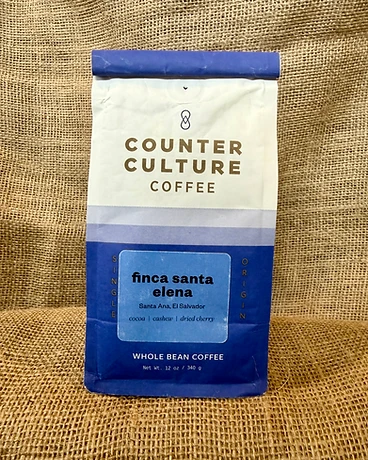

 Editorial illustration
 Editorial illustration
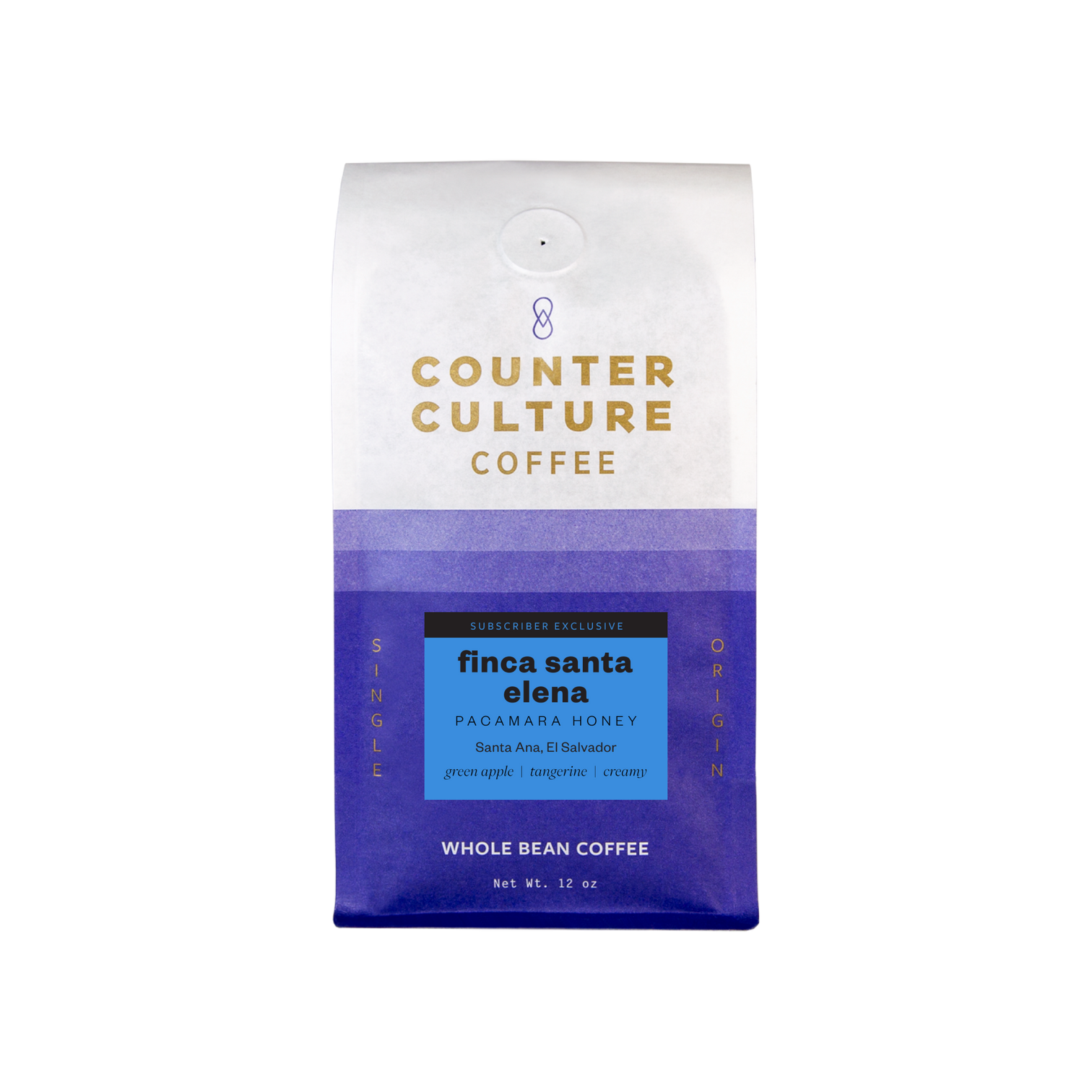
 Editorial illustration
Learn something new, follow the people behind your cup, or explore by flavor and tags.


