Place · people
Follow coffee to its origin
Who grew it, and where?
Start with the growing landscape, move into origin guides, then inspect farm and producer records. Not every coffee names an individual farmer.
108 pages on this site carry this tag — reviews, profiles, answers and stories. Tags are derived from our documented data, never invented.
Uganda is a globally significant coffee origin, uniquely recognized as the birthplace of indigenous Robusta and a rising producer of high-quality specialty Arabica. Its diverse agro-ecological zones, ranging from volcanic mountain slopes to fertile lake basins, allow for a complex spectrum of flavors that are increasingly vital to the international coffee trade.
Research entry updated 2026-10-06 · not source-audited · 8 sources
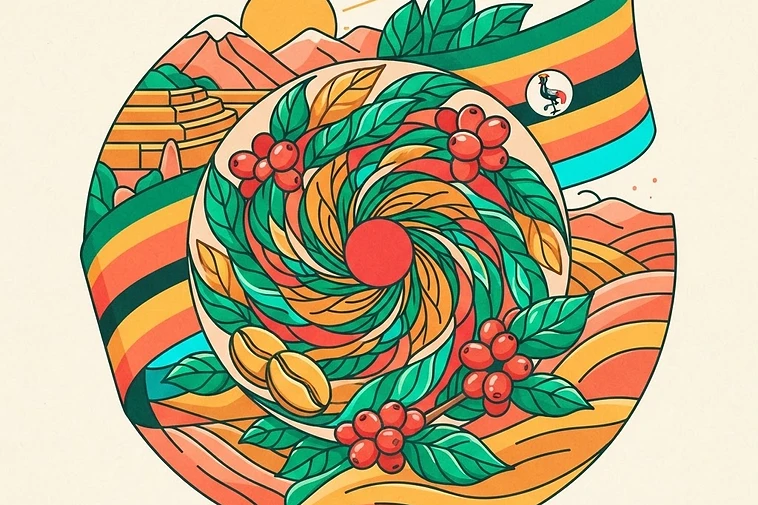
Uganda holds a distinct position in the global coffee landscape as the native home of Coffea canephora, commonly known as Robusta. While many origins rely on imported species, Uganda’s Robusta is indigenous to its western forests near the border with the Democratic Republic of Congo. This deep-rooted botanical heritage provides the country with a genetic reservoir that is essential for ongoing research into disease resistance, particularly against coffee wilt disease. Today, Robusta accounts for approximately 80 to 85 percent of the nation's total coffee production, cementing Uganda's status as a primary global supplier of the species.
Commercial coffee cultivation in Uganda began in earnest during the early 20th century, though the crop has been a part of local life for centuries. While Robusta thrives in the lower-altitude, humid regions like the Lake Victoria Crescent and the Kyoga Plain, Arabica production is concentrated in the country's high-altitude volcanic ranges. These include the slopes of Mount Elgon in the east, the Rwenzori Mountains in the west, and the highlands of the southwest. These mountainous regions provide the cool, high-elevation environments necessary for Arabica to develop the acidity and complexity sought by specialty roasters.
The terroir of Uganda is defined by its equatorial location and varied topography. The volcanic soils of Mount Elgon, the largest free-standing volcano in the world, offer exceptional fertility for Arabica, while the lake-adjacent regions provide the moderate temperatures and consistent rainfall ideal for Robusta. Because the equator bisects the country, harvest cycles are complex; Arabica typically follows a main harvest from January to April, though fly crops occur depending on the specific mountain range and its orientation relative to the equator.
Historically, Uganda’s coffee sector focused on volume, but recent decades have seen a strategic shift toward quality and traceability. The Uganda Coffee Development Authority (UCDA) and the National Coffee Research Institute (NaCORI) have been instrumental in this transition, developing high-yielding, wilt-resistant varieties such as the KR series for Robusta. These efforts are supported by agricultural extension programs that aim to improve processing infrastructure and provide farmers with better access to seedlings, directly impacting the livelihoods of the estimated 300,000 smallholder farmers who drive the industry.
For the drinker, Ugandan coffee offers a broad sensory profile. The Robusta varieties, primarily Nganda and Erecta, are prized for their bold, heavy body and notes of chocolate, caramel, and spice, often with lower acidity. Conversely, the specialty Arabica grown in regions like Bugisu or the Rwenzori foothills can exhibit the bright, fruit-forward characteristics often associated with East African coffees. This duality allows Uganda to serve both the commodity market and the growing demand for high-end, unique specialty beans.
Despite its potential, the industry faces challenges, including climate variability and pests like the black twig borer. However, the country’s commitment to research and its participation in global breeding networks suggest a resilient future. As Uganda continues to refine its processing techniques and expand its specialty footprint, it is increasingly viewed as a 'dark horse' in the coffee world—a producer capable of delivering both the foundational volume required by global markets and the nuanced quality demanded by the specialty sector.
This topic connects to broader guides. Follow the sequence, or return to the complete TAG directory to explore other subjects.
Who grew it, and where?
Start with the growing landscape, move into origin guides, then inspect farm and producer records. Not every coffee names an individual farmer.
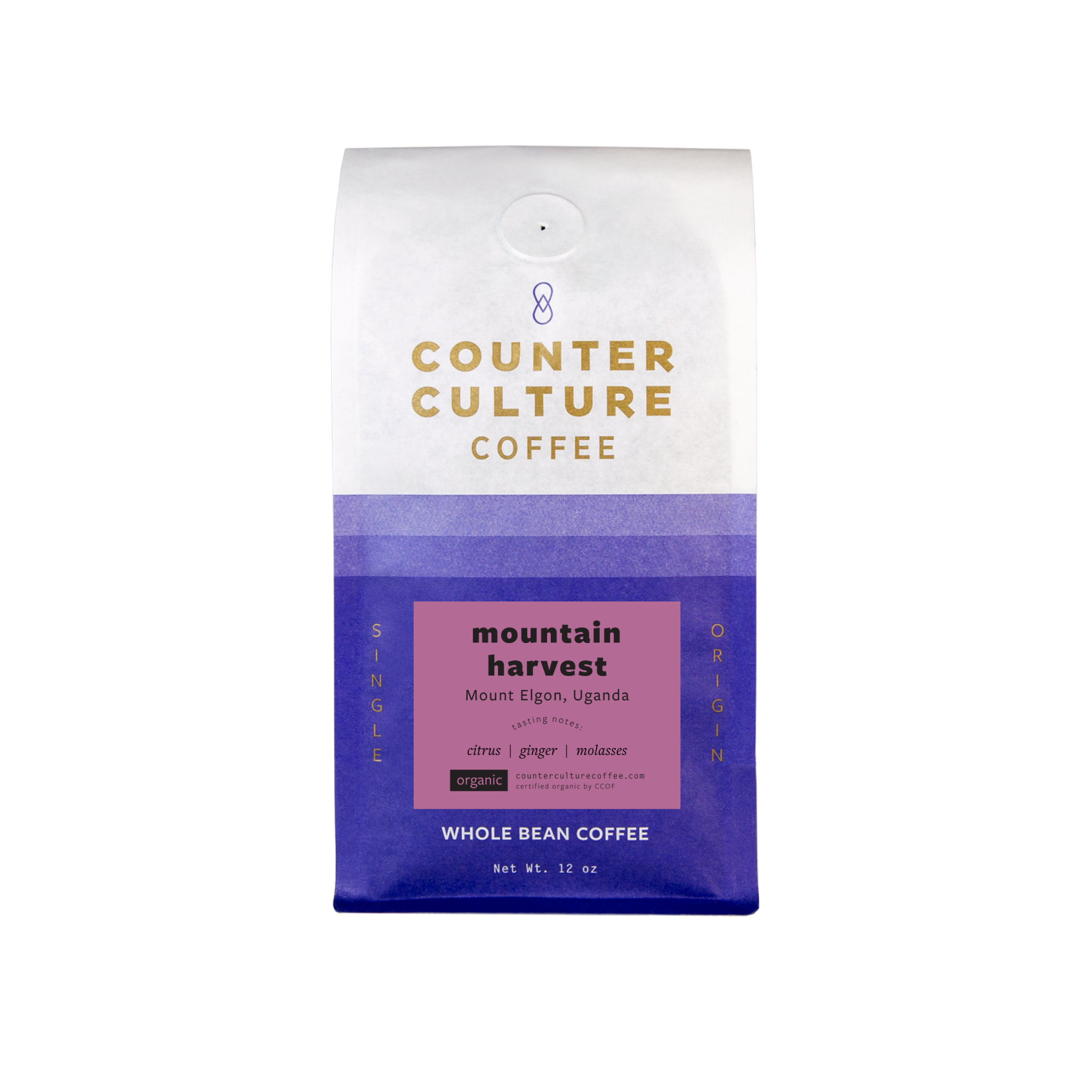
 Editorial illustration
Blend · Component origins documented on the coffee profile where available
 Editorial illustration

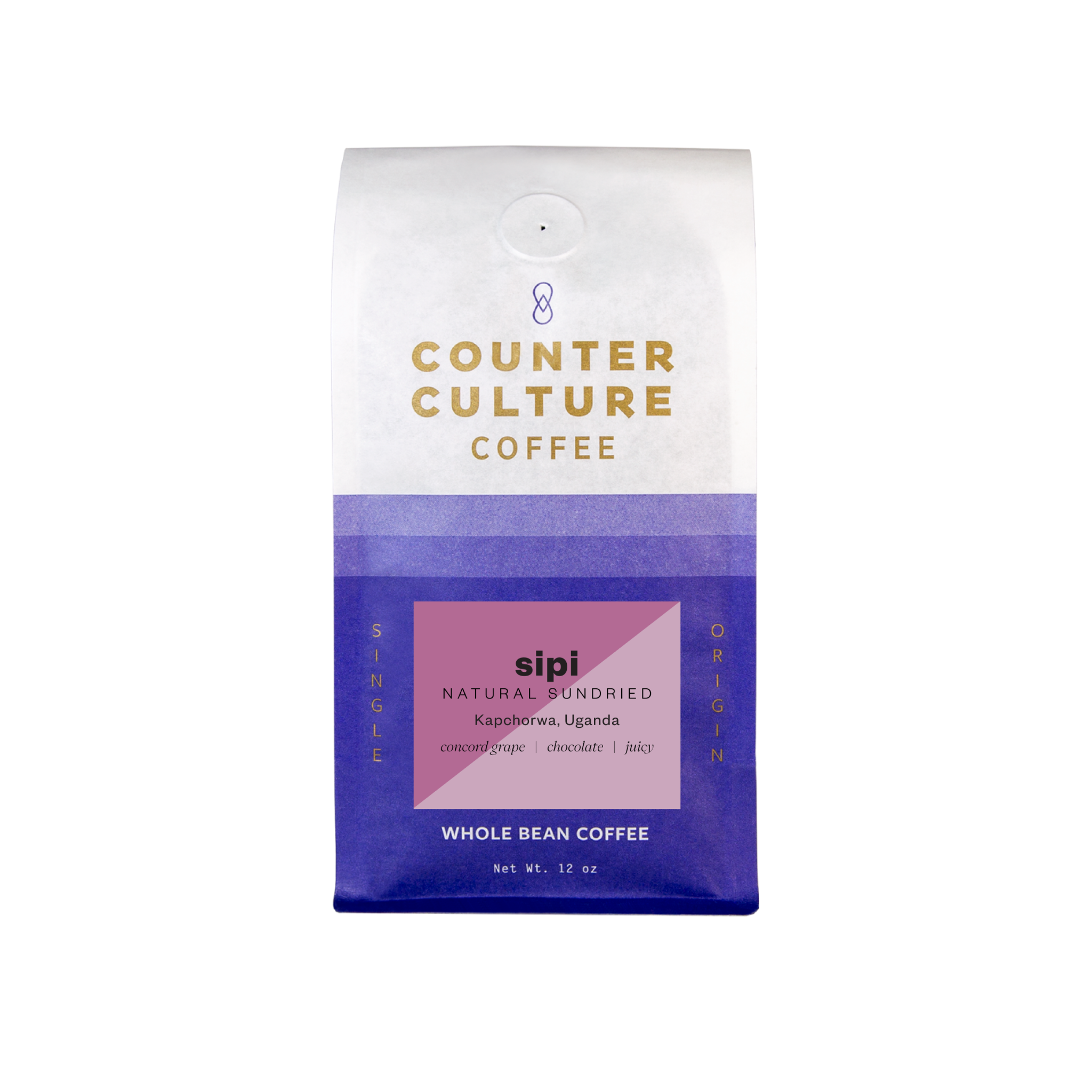
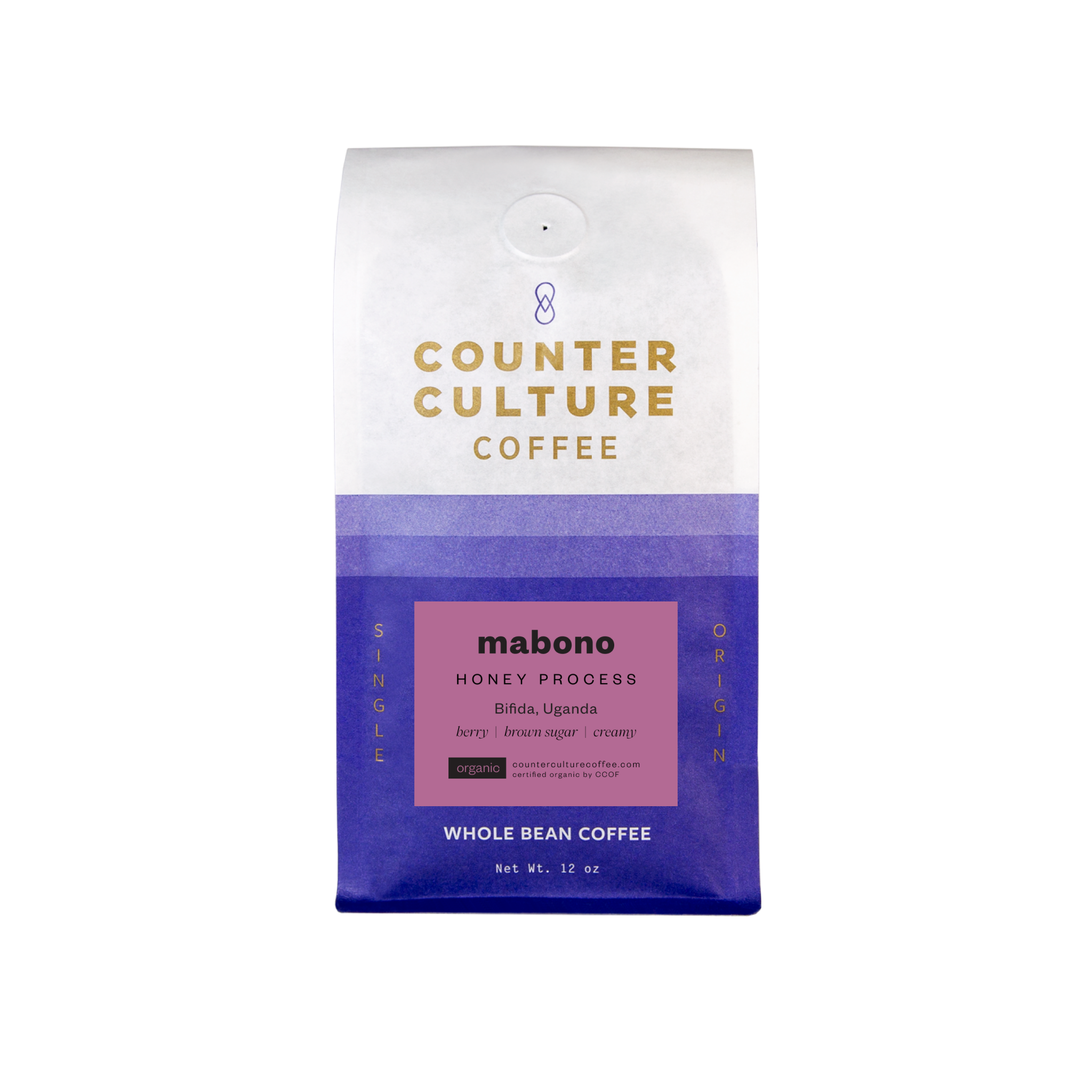
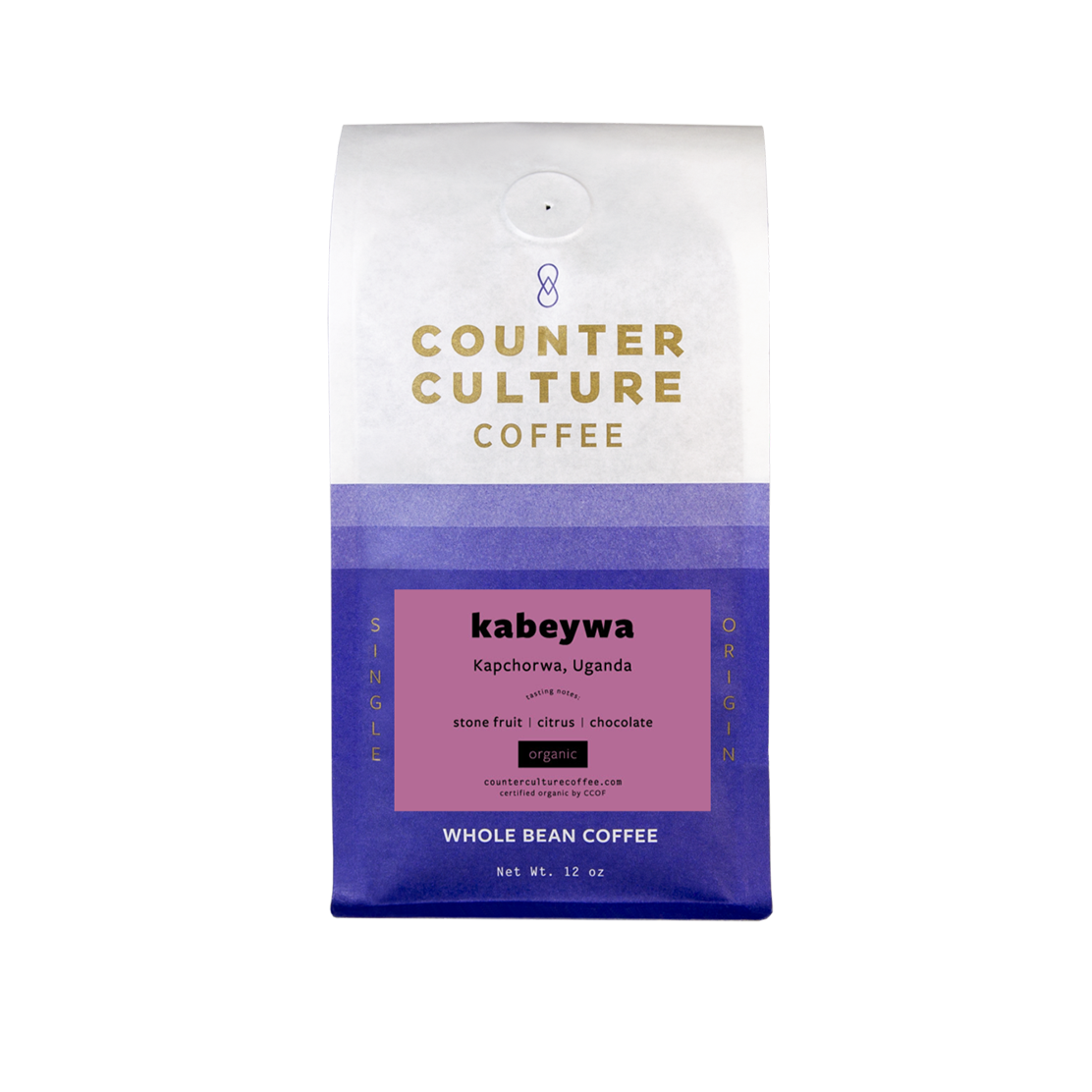
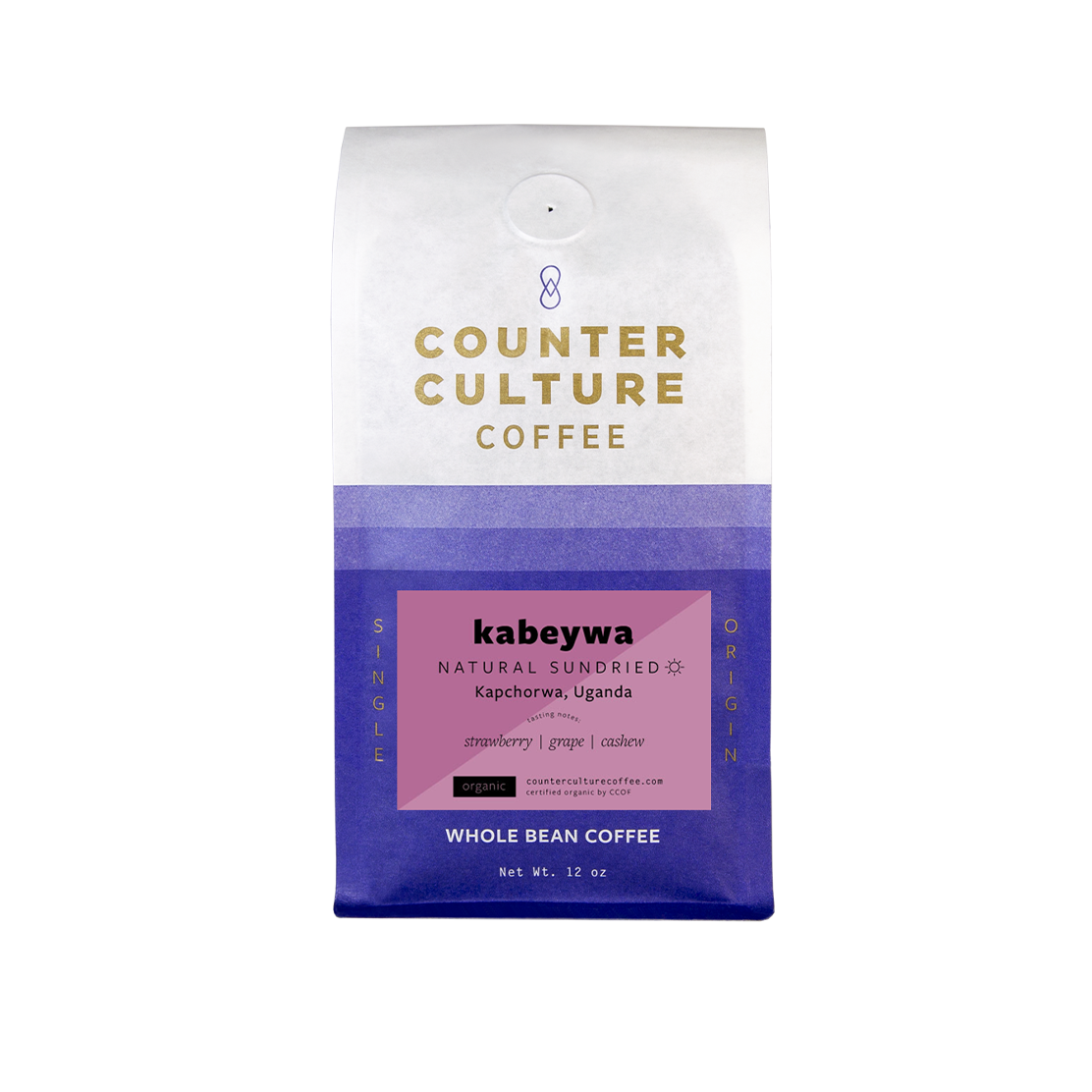
 Editorial illustration
Learn something new, follow the people behind your cup, or explore by flavor and tags.


