 Editorial illustration
🇰🇪Kenya
Kenya · Murang'a
Kanguya Cherry Ale 2026
Kanguya Factory smallholder members
Rogue Wave Coffee Roasters
Kanguya Factory
· Honey
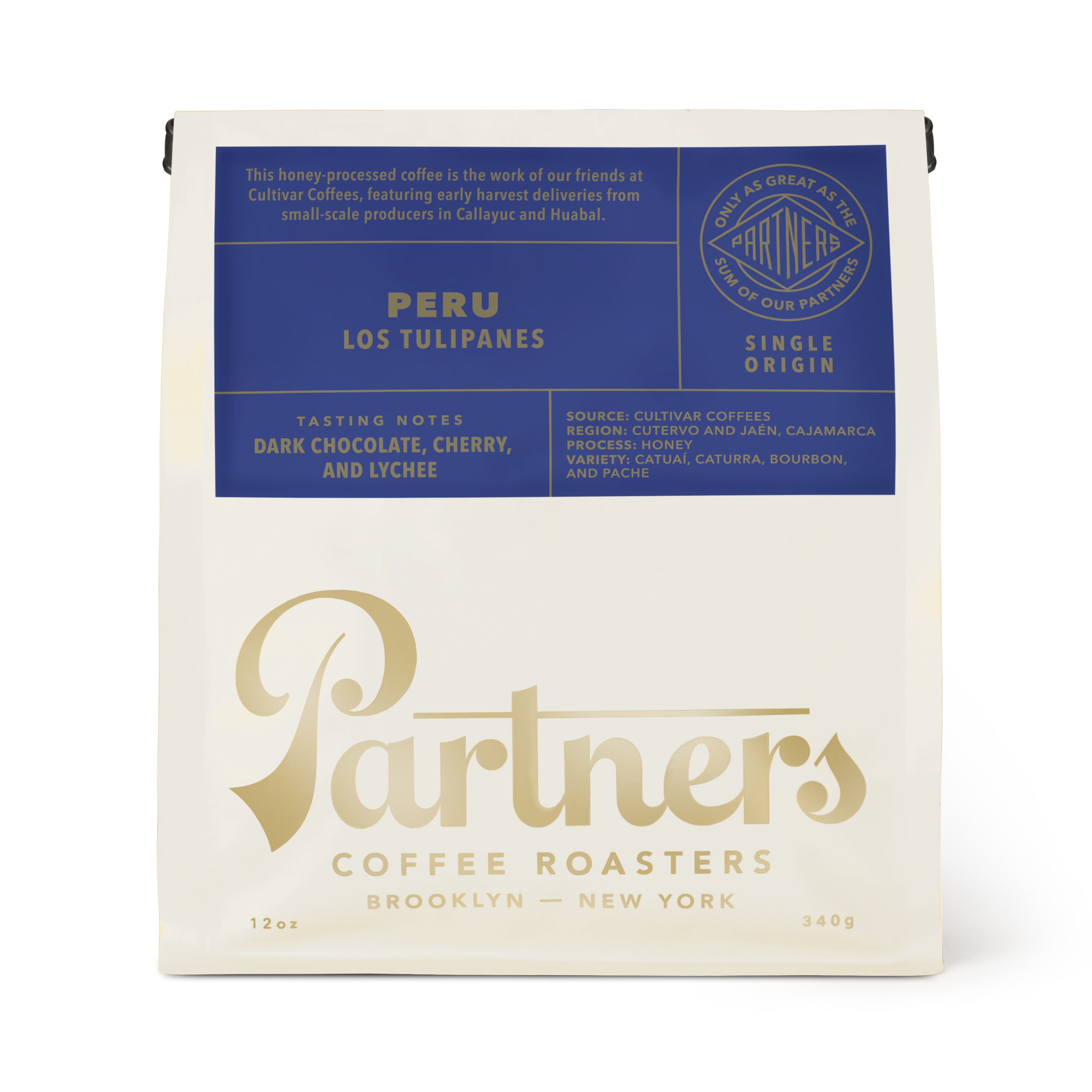
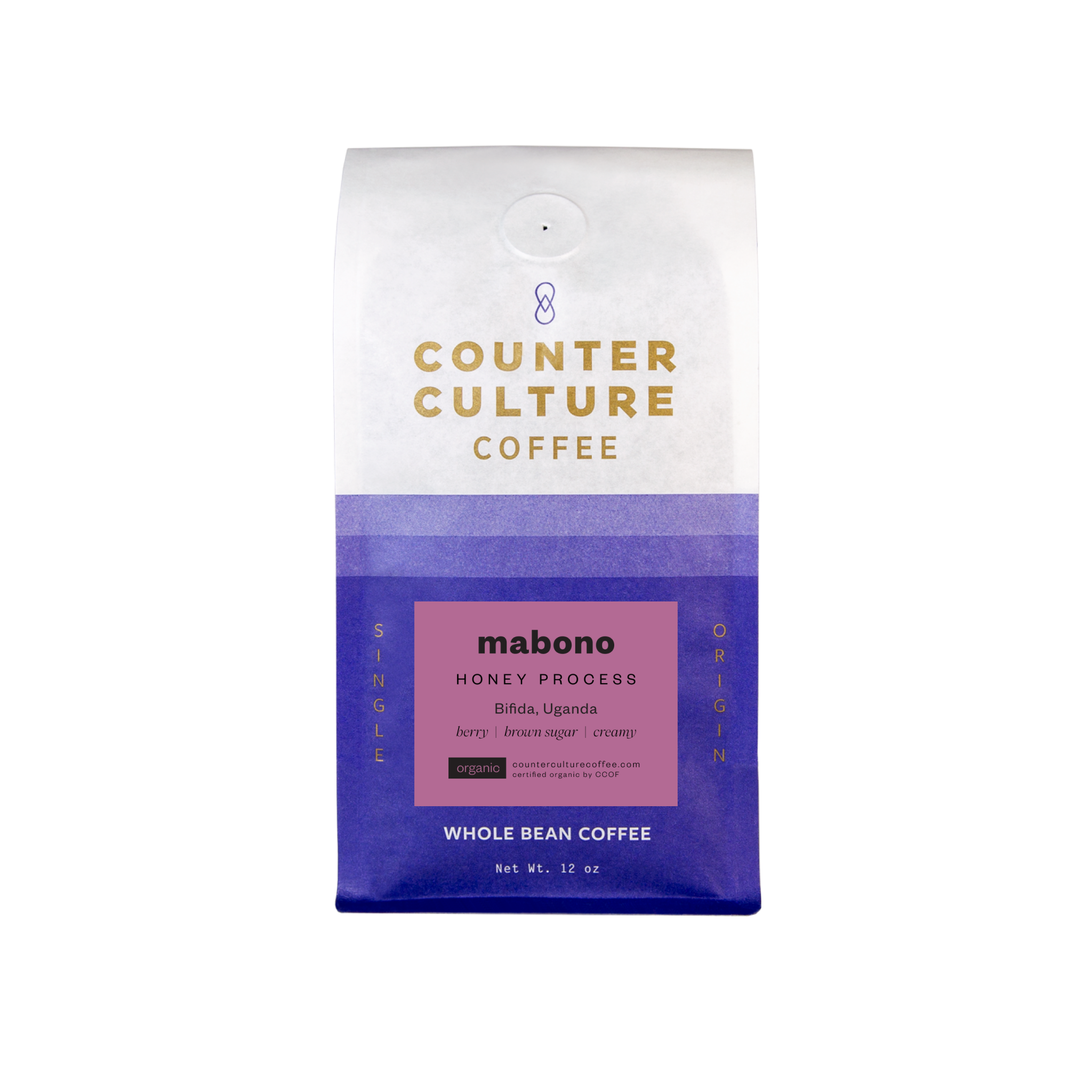
Explore the profile →Honey processing removes the cherry skin but leaves some sticky fruit on the during drying rather than fully washing it away. No actual honey is required. Labels such as yellow, red and black honey commonly refer to differences in handling and drying, but they are not standardized recipes across farms. Shade, turning and moisture control influence the result. The name does not independently prove sweetness, origin, ingredient additions or a specific cup profile.
The method name alone does not establish ingredients, fermentation time, microorganisms, drying conditions, farm identity or cup quality. Ask for a documented producer or roaster protocol before treating those details as facts.
These references support the general method description, not a particular producer’s undocumented recipe or cup score.
Editorial illustration Editorial illustration

 Editorial illustration
 Editorial illustration
 Editorial illustration
 Editorial illustration
 Editorial illustration
 Editorial illustration
 Editorial illustration
 Editorial illustration
 Editorial illustration





Learn something new, follow the people behind your cup, or explore by flavor and tags.


