
 Editorial illustration
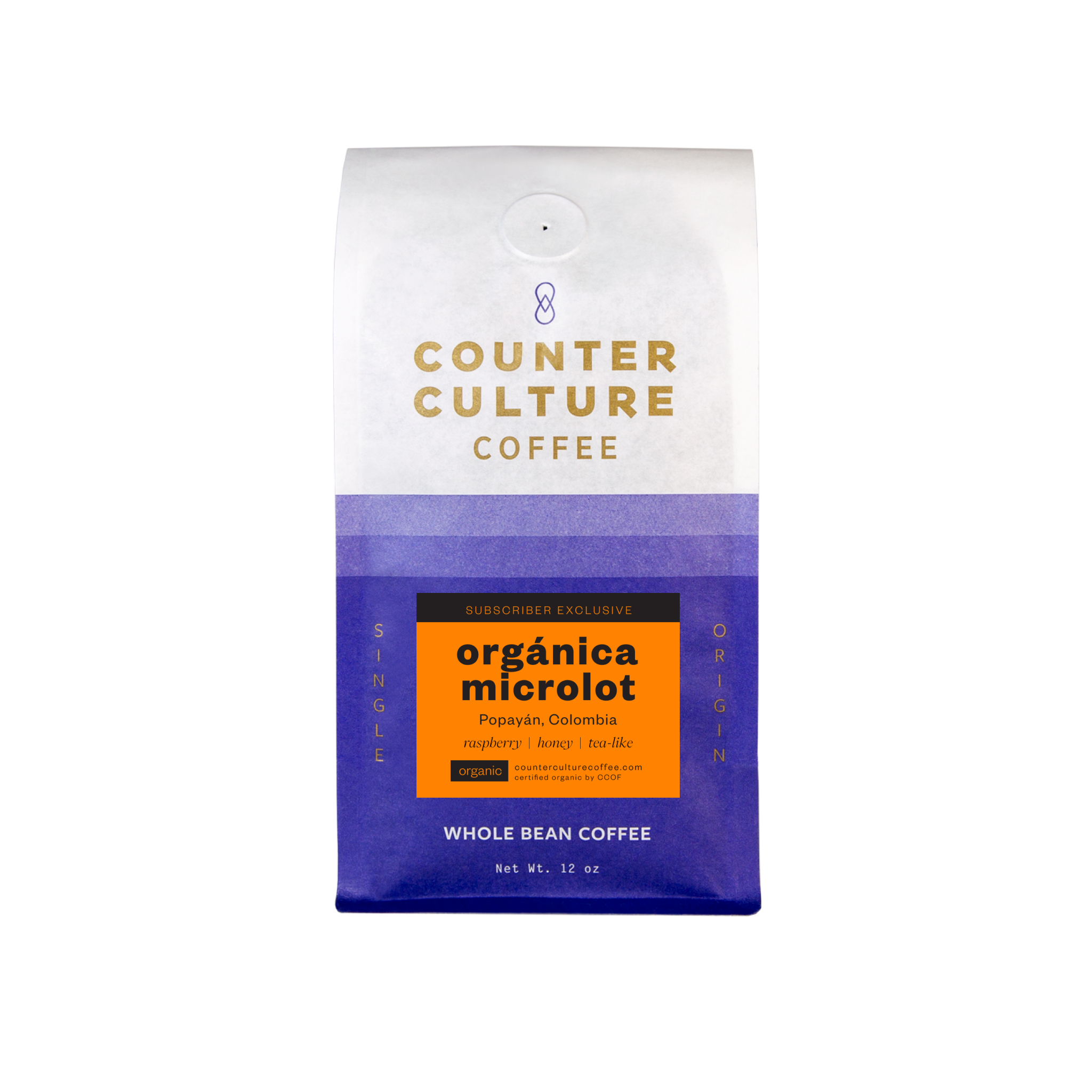
🇨🇴Colombia
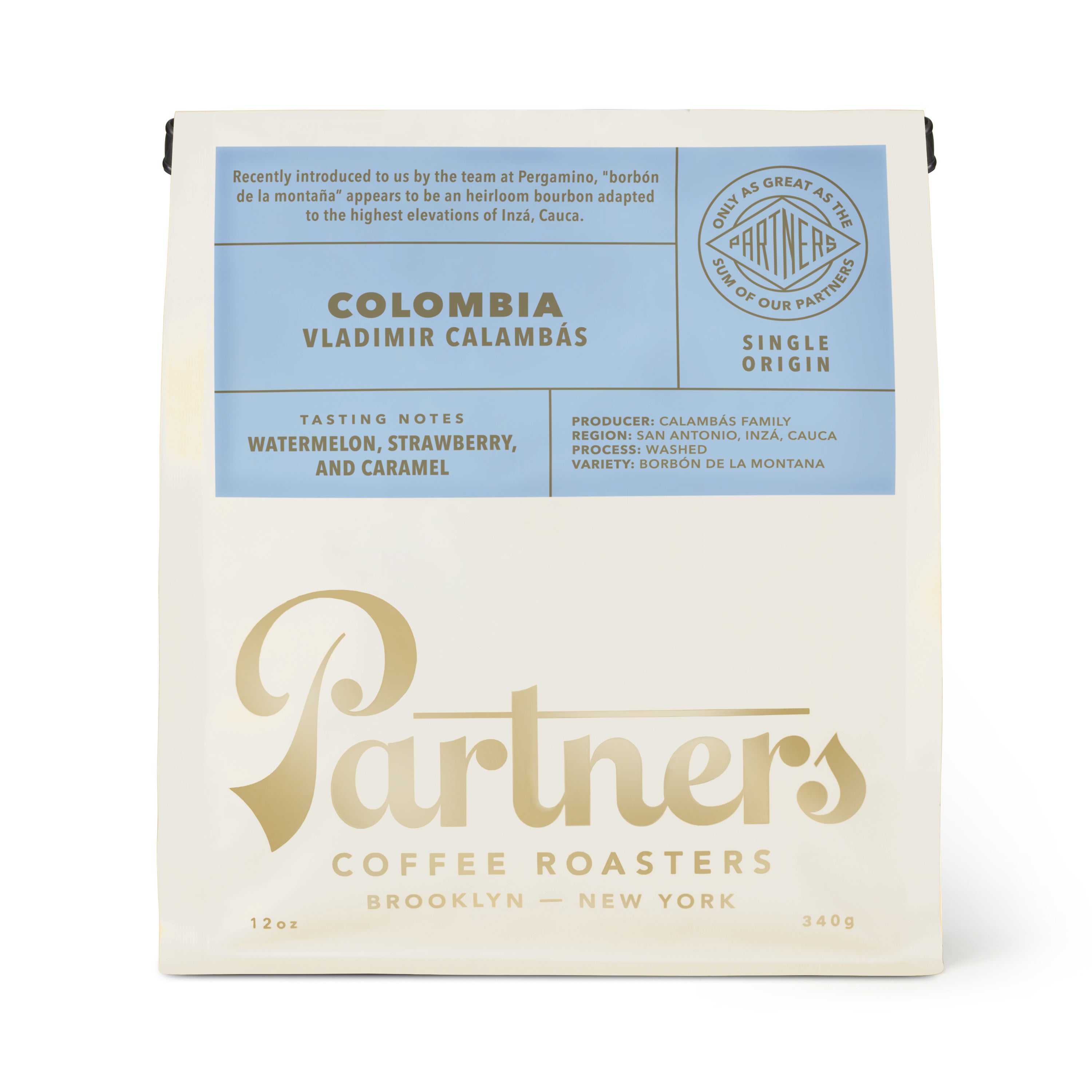
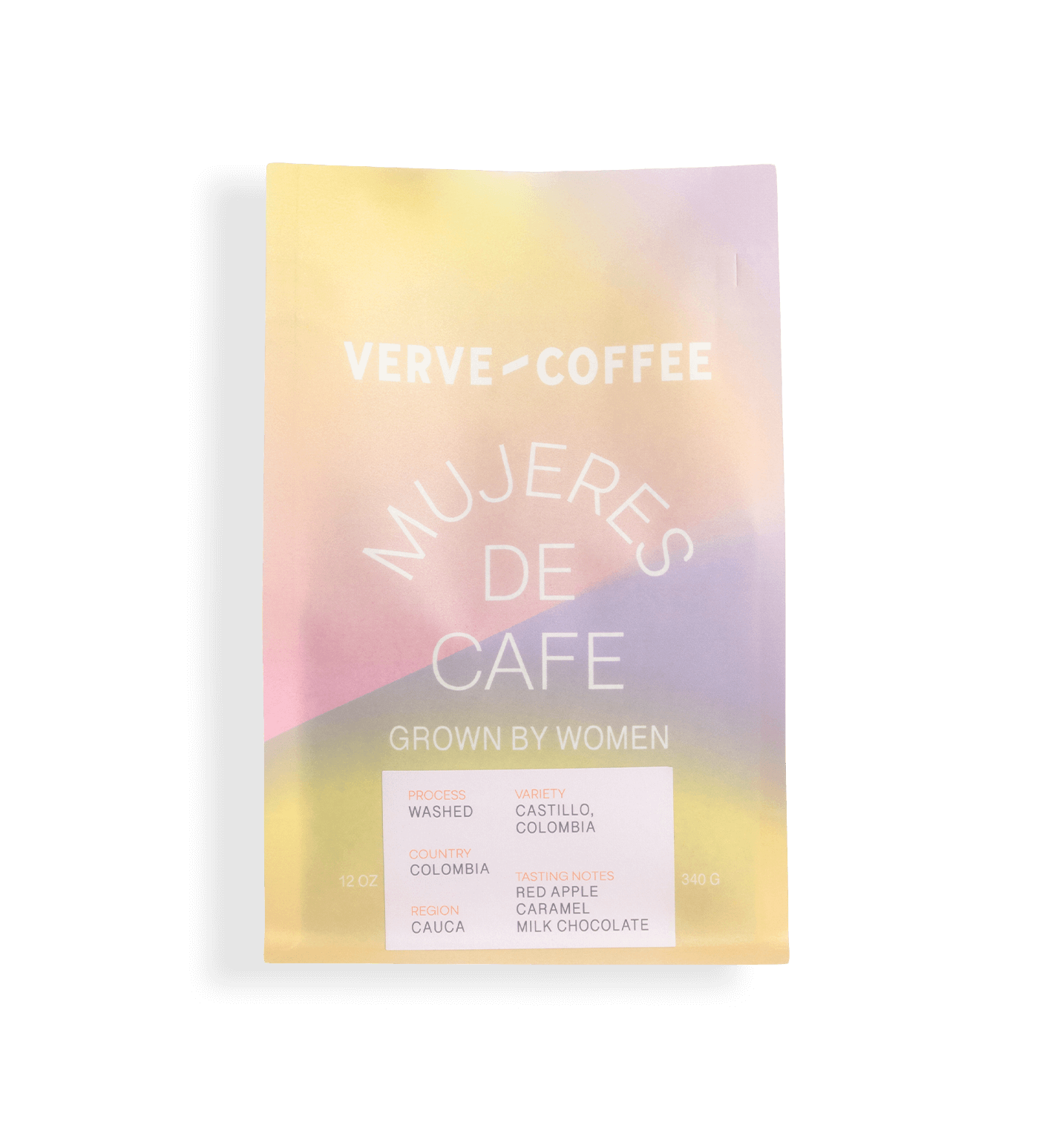
Colombia · Cauca
Colombia Juan Martín Arara
Banexport
Intelligentsia Coffee
Finca Juan Martín
Arara· Washed
Explore the profile →Cauca is a department in southwestern Colombia, bracketed by Nariño to the south and Huila to the east, with coffee grown on both slopes of its double cordillera — the western slopes of the central Andean range and the eastern slopes of the western range, divided by the Cauca River valley, and the colonial “White City” of Popayán at the center. The growing zone runs roughly 1,500–2,000 m, with sources placing lots from about 1,300 m near Popayán to above 2,000 m on the high slopes. Pacific weather systems moderate temperatures and keep rainfall unusually consistent year-round — the climatic stability behind Cauca's reputation for dependable harvests.
Cauca's coffee structure is distinctive in two ways. Its roughly 90,000 farms average under two hectares, organized through unusually strong cooperatives — and a substantial part of the department's rural population is indigenous, particularly the Nasa people, whose producer organizations aggregate communal-territory lots into specialty channels. That wet-mill infrastructure standardizes fermentation, water and drying, which is a large part of why Cauca lots cup so consistently.
As tendencies rather than guarantees, Cauca cups are described as clean and balanced: red apple and stone fruit up front, caramel or brown-sugar sweetness, medium body, acidity present but never sharp. and Castillo dominate plantings, with Bourbon on the oldest high farms and arriving from neighboring Huila; the defines the department, with honey lots growing at competition-focused farms. The harvest is bimodal like most of Colombia: a main crop roughly October–January and a mitaca crop April–June.
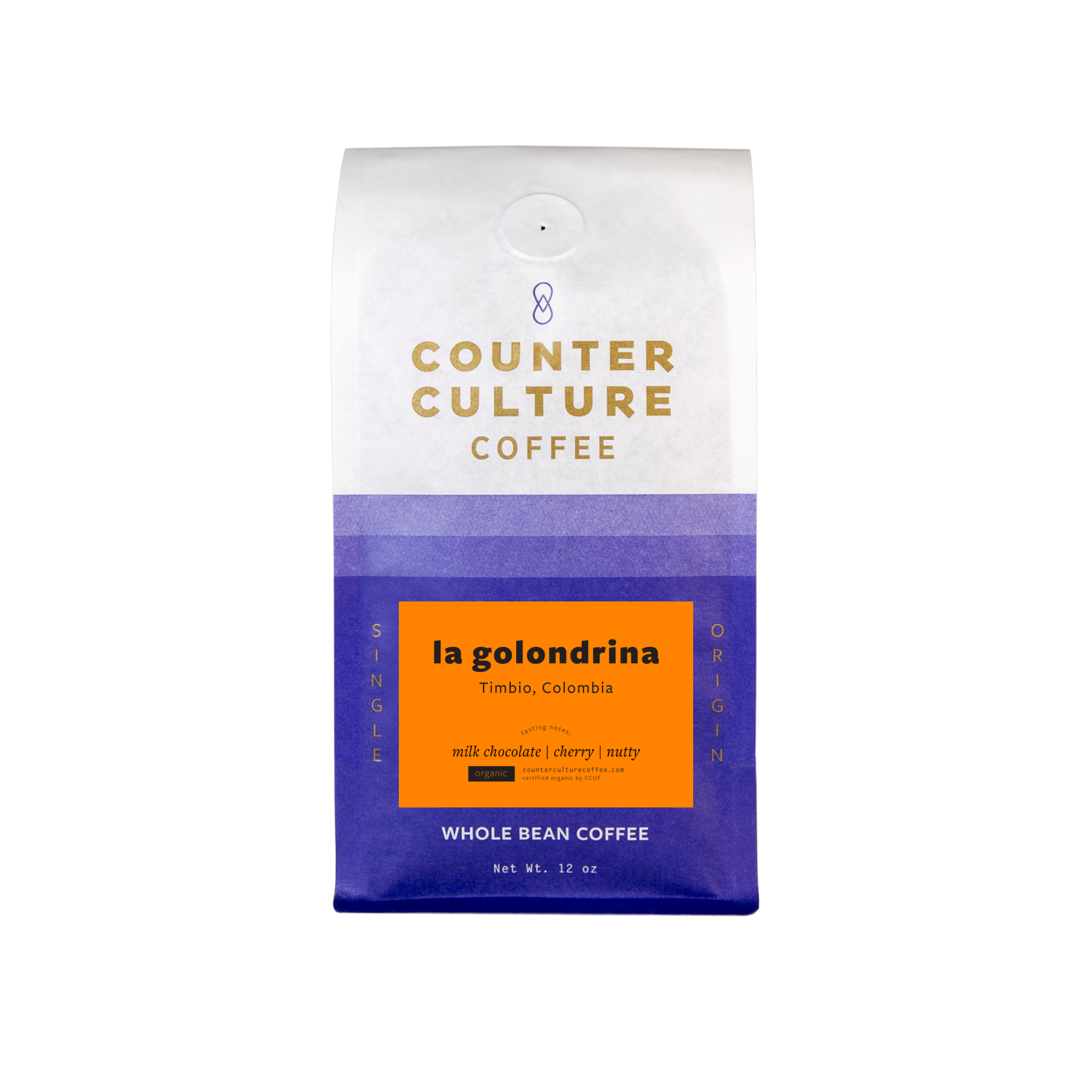
Peer-reviewed work by Cenicafé, the FNC and CIAT documented the environmental differences underpinning “Café de Cauca's” denomination of origin — the same study that grounded Nariño's. Inzá, El Tambo and Timbío anchor the specialty map: Inzá's high lots have placed in competitions, El Tambo leads by volume, and Timbío delivers reliably clean washed coffee. On a label, Cauca signals a clean, consistent southern-Colombian washed coffee that roasters trust for espresso and year-round offerings.

These are documented directory relationships, not independently verified farm visits or lot traceability. Follow individual profiles to inspect available sources.
Editorial illustration Editorial illustration
 Editorial illustration
 Editorial illustration
 Editorial illustration
 Editorial illustration
 Editorial illustration
 Editorial illustration
 Editorial illustration
 Editorial illustration
 Editorial illustration
 Editorial illustration
 Editorial illustration
 Editorial illustration
 Editorial illustration
 Editorial illustration
Learn something new, follow the people behind your cup, or explore by flavor and tags.


