Place · people
Follow coffee to its origin
Who grew it, and where?
Start with the growing landscape, move into origin guides, then inspect farm and producer records. Not every coffee names an individual farmer.
32 pages on this site carry this tag — reviews, profiles, answers and stories. Tags are derived from our documented data, never invented.
Yirgacheffe is a renowned coffee-producing district within the Gedeo Zone of southern Ethiopia, celebrated for its high-altitude, heirloom Arabica varieties. It is globally significant for producing exceptionally clean, floral, and citrus-forward coffees that serve as the benchmark for delicate, high-quality specialty Arabica.
Research entry updated 2026-10-06 · not source-audited · 9 sources

Yirgacheffe is a small, high-altitude woreda (district) located within the Gedeo Zone of Ethiopia’s Southern Nations, Nationalities, and Peoples' Region (SNNPR). While the broader Gedeo Zone is a major hub for coffee production, Yirgacheffe has achieved global renown as a distinct origin, often recognized by the Ethiopian Coffee Exchange (ECX) for its specific, high-quality cup profile. The region sits at elevations ranging from 1,700 to 2,200 meters above sea level, where volcanic, acidic soils and consistent high altitude create a challenging but ideal environment for coffee maturation.
Coffee in Yirgacheffe is primarily cultivated as 'garden coffee,' a traditional system where smallholder farmers grow coffee trees in shaded, diverse plots near their homes. Unlike large-scale plantations, these farms rely on indigenous knowledge passed down through generations. Because the trees are often left to grow in semi-wild conditions, the region hosts a vast array of genetic diversity, with thousands of local landrace varieties collectively referred to as 'heirloom.' These varieties are not single cultivars but a complex mix of native Arabica genetics that contribute to the region's unique flavor complexity.
The harvest and processing cycle is central to the Yirgacheffe identity. Smallholder farmers deliver their hand-picked cherries to local washing stations, where the coffee is processed using either the traditional washed (wet) method or the natural (sun-dried) method. The washed process, which involves depulping, fermenting, and washing the beans before drying, is particularly famous in Yirgacheffe for producing a clean, bright cup with high clarity. This method highlights the region's signature notes of jasmine, bergamot, and lemon-citrus, often accompanied by a tea-like body.
In recent years, the natural process has also gained prominence, with producers like Abdullah Bagersh demonstrating that careful moisture management can produce natural-processed Yirgacheffe that retains the region's floral aromatics while adding significant fruit intensity. These coffees are often graded by quality, with Grade 1 representing the highest standard of sorting and processing. The Yirgacheffe Coffee Farmers Cooperative Union (YCFCU), established in 2002, plays a vital role in organizing these smallholders, ensuring that the coffee remains traceable and that farmers benefit from the specialty market's demand for their high-quality output.
For the roaster and the drinker, Yirgacheffe represents the pinnacle of delicate, terroir-driven coffee. Its flavor profile is distinct from other Ethiopian regions like Sidamo or Guji, which may offer more berry-forward or softer profiles. Yirgacheffe is consistently defined by its high acidity, aromatic complexity, and a refined, balanced structure that makes it a staple in specialty coffee programs worldwide. The ability to trace these coffees to specific washing stations or kebeles (neighborhoods) has further elevated the region's status in the specialty supply chain.
Today, the story of Yirgacheffe is one of balancing ancient tradition with modern market demands. As the birthplace of Arabica, Ethiopia remains a treasure trove of genetic material, and Yirgacheffe serves as the primary showcase for this diversity. The region continues to face challenges, including the need for climate-resilient practices and the maintenance of quality amidst high demand, yet it remains an essential origin for anyone seeking to understand the potential of the coffee plant in its most pristine, high-altitude form.
This topic connects to broader guides. Follow the sequence, or return to the complete TAG directory to explore other subjects.
Who grew it, and where?
Start with the growing landscape, move into origin guides, then inspect farm and producer records. Not every coffee names an individual farmer.
 Editorial illustration
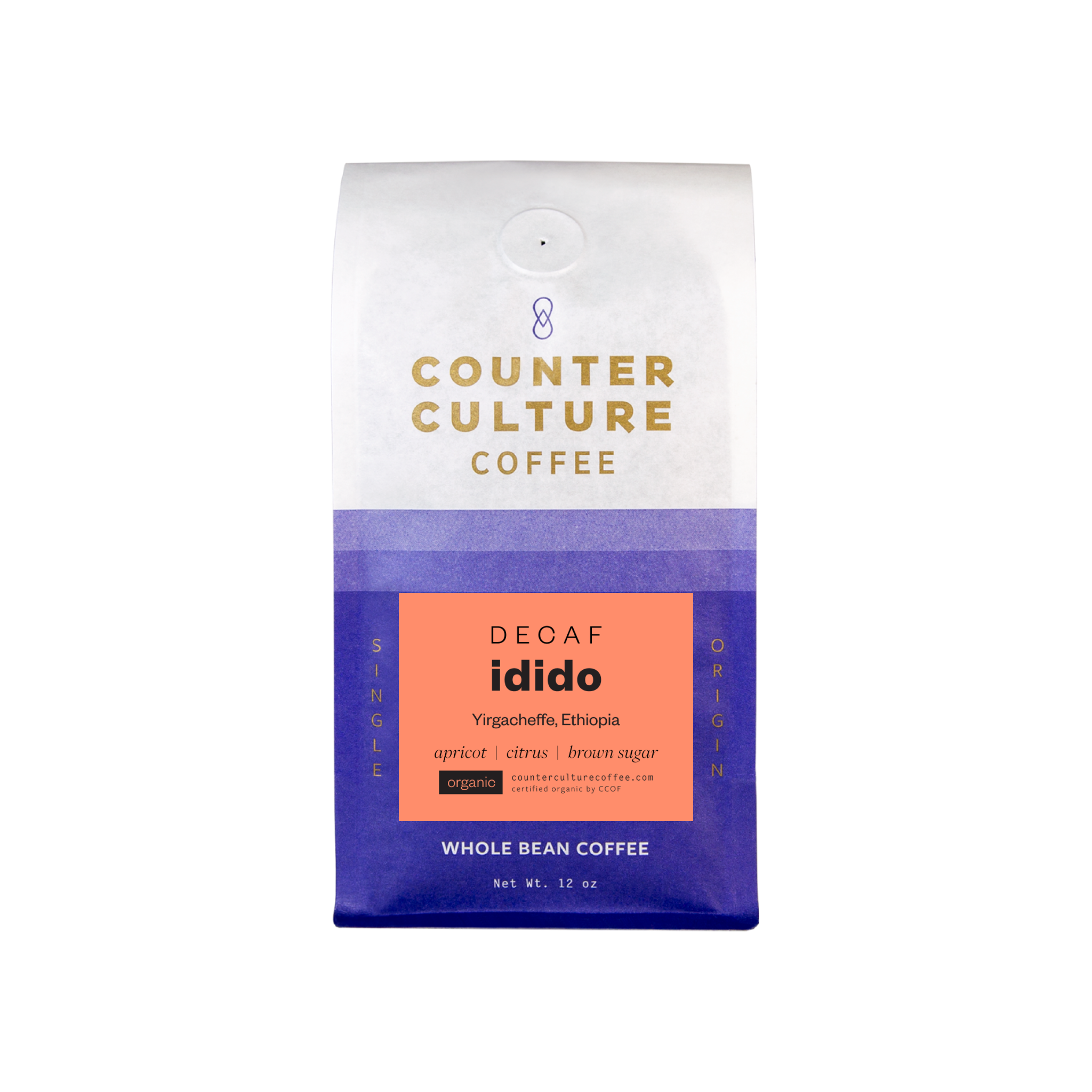
 Editorial illustration
 Editorial illustration
 Editorial illustration
 Editorial illustration
 Editorial illustration
 Editorial illustration


Learn something new, follow the people behind your cup, or explore by flavor and tags.


