
🇰🇪Kenya
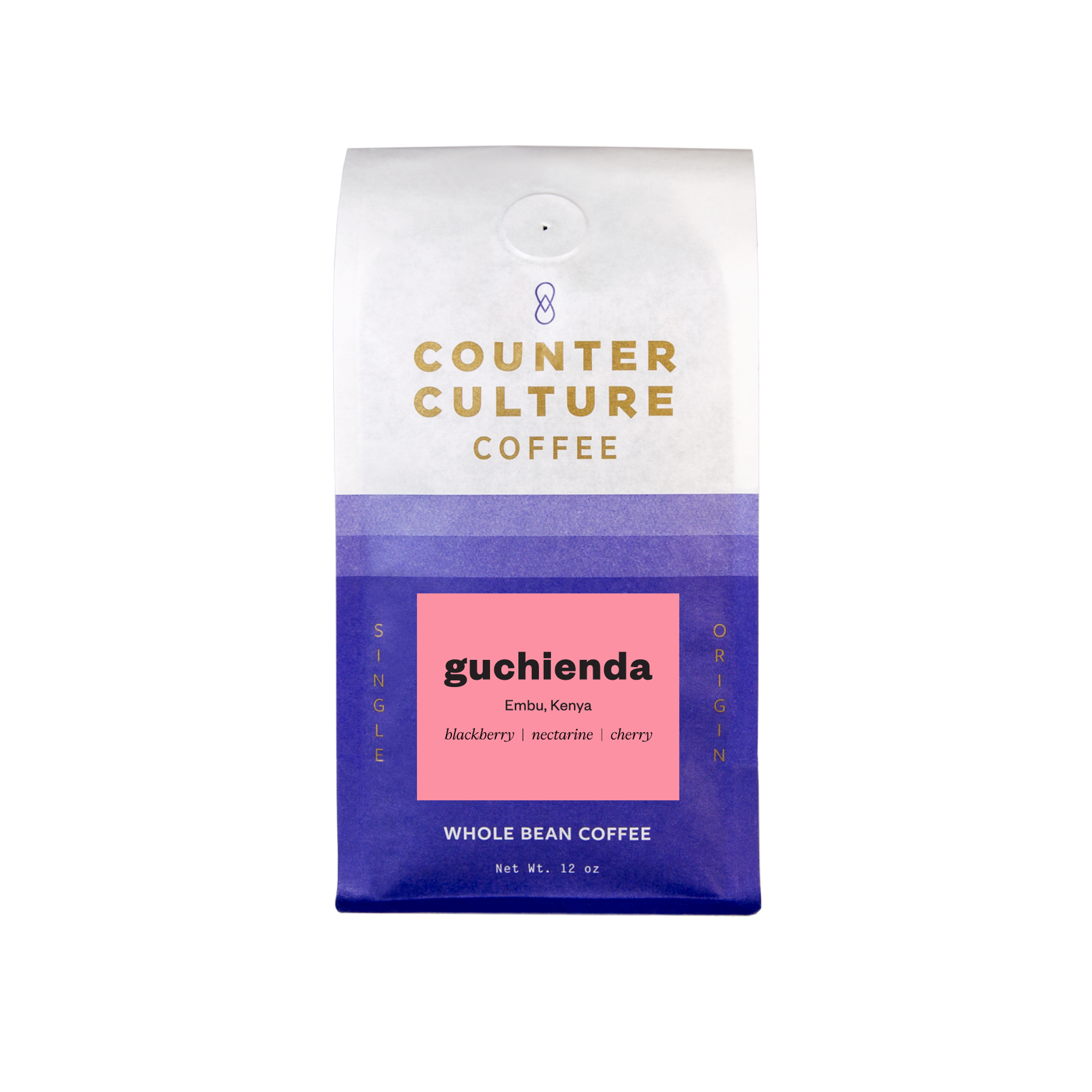
Kenya · Embu
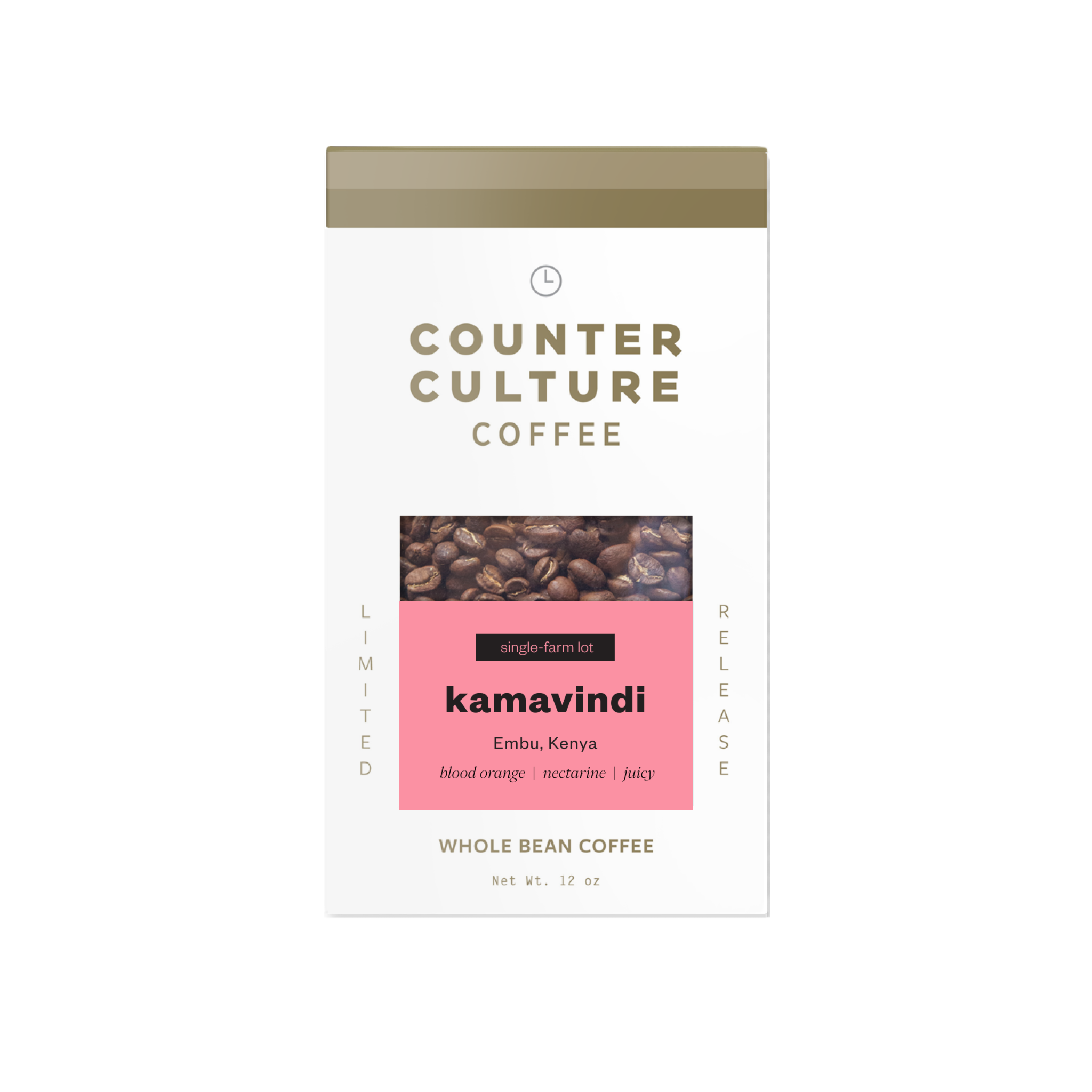
2026 Mbature Family; Kamavindi Estate, Lot #1 - Kenya
Mbature family
Sey Coffee
Kamavindi Estate
Field Blend· Washed
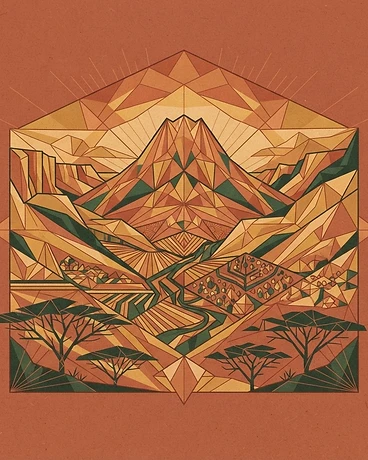
Explore the profile →Embu County occupies the eastern and southeastern slopes of Mount Kenya, named for its principal town, and it is the quietest of the four central coffee counties — a genuine specialty presence with a lower profile than Nyeri, Kirinyaga or Murang'a.
The county's farms sit roughly between 1,280 and 1,900 m on the mountain's fertile eastern flank, where the same two rainy seasons that drive central Kenya's harvest calendar give Embu both a main crop and a fly crop. The production system is the same smallholder-and-factory structure as elsewhere in the region — washing stations such as Wangaki, whose fully washed lots are documented in the specialty trade, process cherry from surrounding plots.
The varieties are the central-Kenya set: SL28 and SL34 as the quality benchmarks, with the disease-resistant Ruiru 11 and Batian widely planted, and processing overwhelmingly fully washed. Coffee is one of several cash crops in the county's mixed smallholder agriculture, which is part of why its volumes stay modest.
In the cup, Embu is often described as delivering classic SL-variety brightness at more accessible prices than its celebrated neighbors — the same blackcurrant-tinged acidity in a slightly softer frame, as a general trade tendency rather than a rule. As with every Kenyan county, the honest unit of description is the individual factory and lot.

These are documented directory relationships, not independently verified farm visits or lot traceability. Follow individual profiles to inspect available sources.
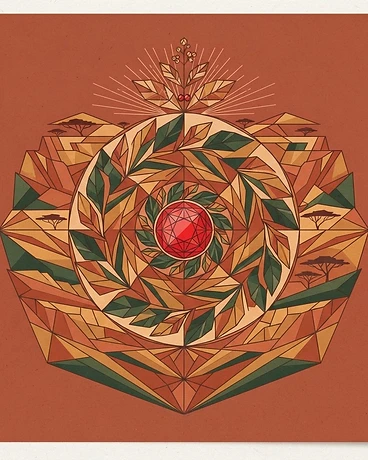 Editorial illustration
 Editorial illustration
 Editorial illustration

 Editorial illustration
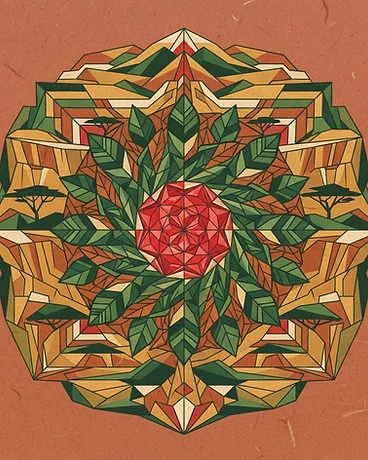 Editorial illustration


Learn something new, follow the people behind your cup, or explore by flavor and tags.


