
 Editorial illustration
🇪🇹Ethiopia
Ethiopia · Sidamo
Archive: Ethiopia Bekele Yutute
Bekele Yutute
Verve Coffee Roasters
Denbi
· Natural
Explore the profile →“Sidamo” is the historic coffee-trade name; “Sidama” is the people, the language and, since a 2020 referendum, one of Ethiopia's regional states. The trade name goes back to the old Sidamo province, and the Sidamo spelling — long used on labels, most famously by Starbucks — became contentious by the 1990s; the Ethiopian Coffee Exchange switched to Sidama in 2007. Coffee sold under the famous name historically included lots from neighboring zones too, because the name sold — a point Ethiopian exporters openly make about the region's marketability.
Geographically, today's Sidama region lies in the fertile highlands south of Lake Awasa. Elevations run roughly 1,500–2,200 m with annual rainfall around 1,200–2,000 mm — conditions that ripen coffee slowly and late; this region's harvest arrives after much of the rest of Ethiopia's. The production base is built on smallholder plots, more than 50 cooperatives and roughly 200 washing stations, and Sidama is a leading source of Ethiopia's grade one and grade two coffee, its two highest quality rankings.
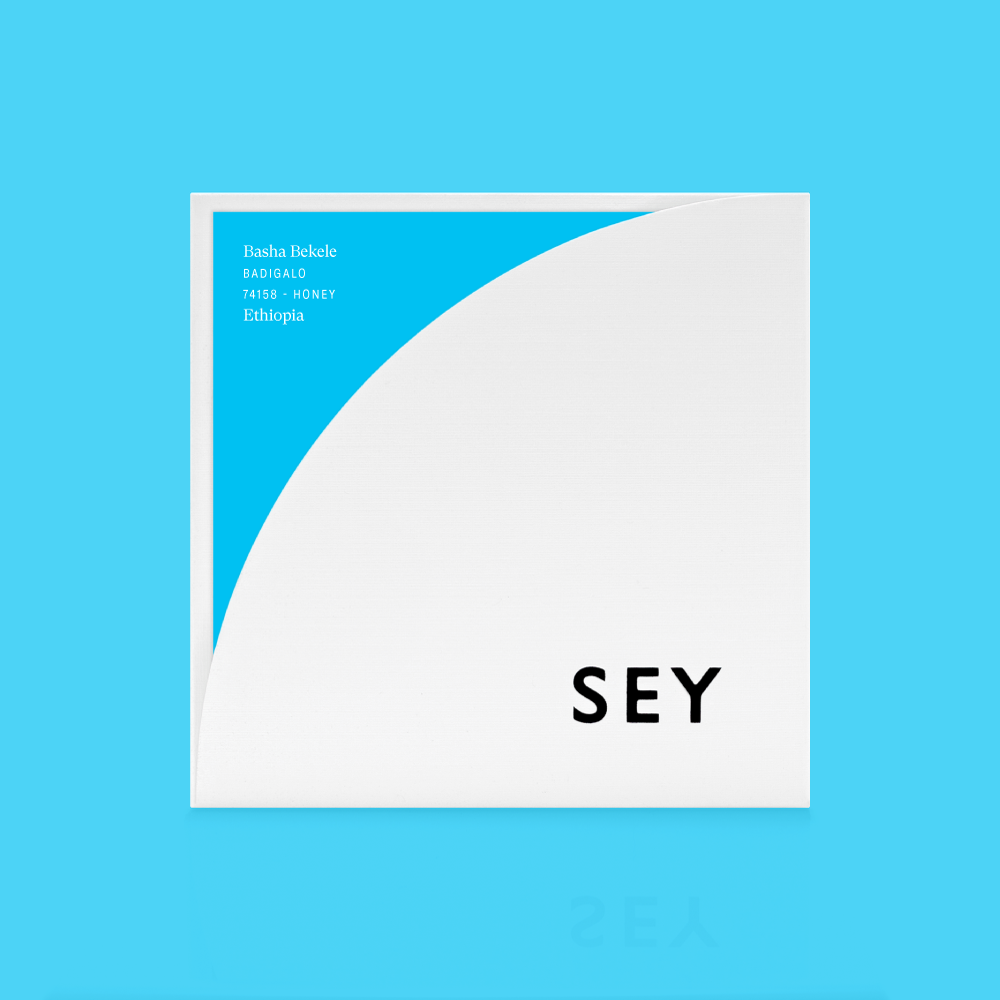
The plant material is mostly uncatalogued landraces, with the JARC selections 74158, 74110 and 74112 the most commonly identified varieties. Both the and the are widespread — washed slightly more popular — while honey and experimental fermentation are emerging as producers gain room to experiment after decades of strictly standardized, government-controlled processing.
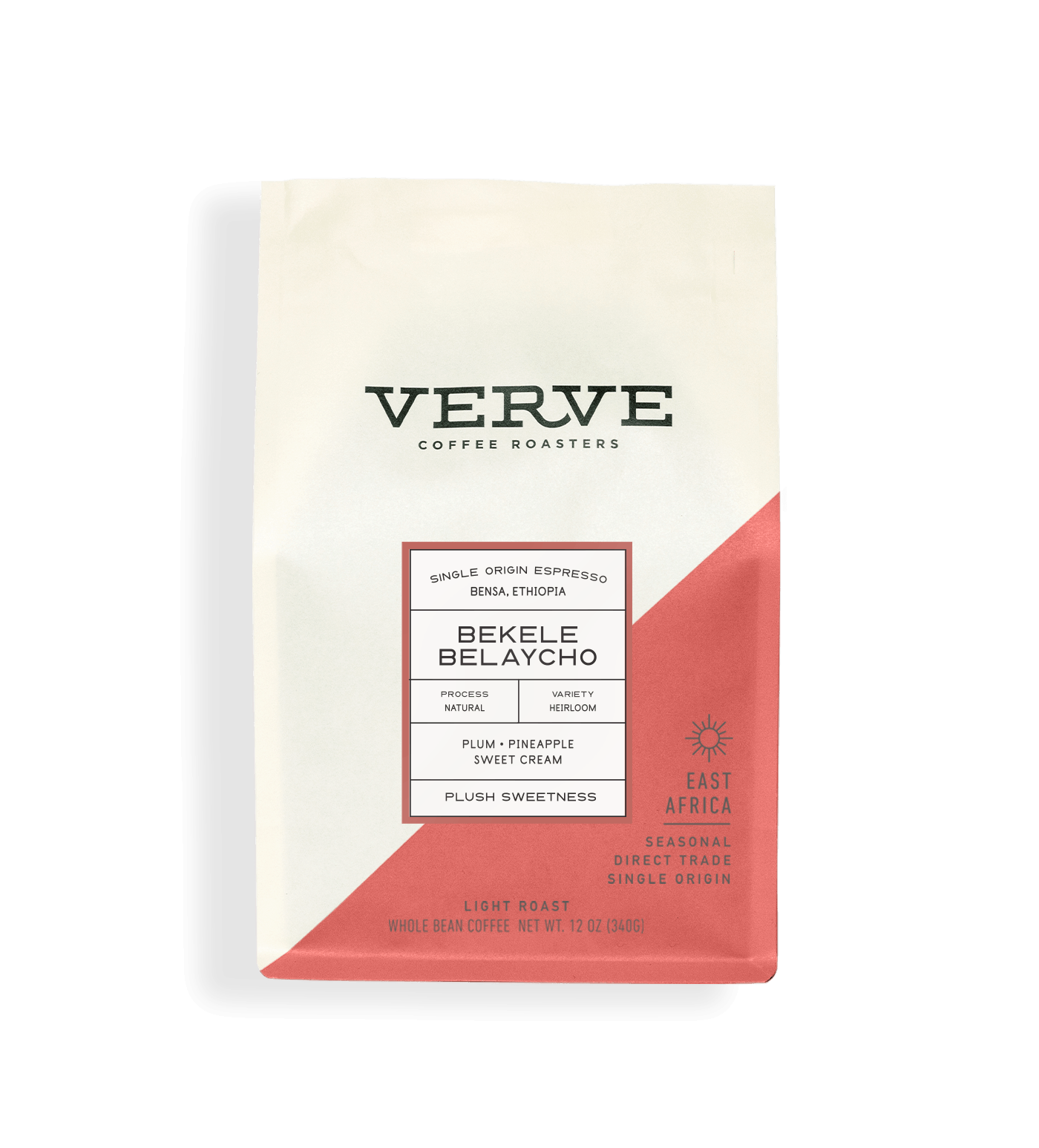
Three producing areas illustrate the range. Bensa in the north (roughly 1,800–2,300 m) is known for intensely fruity lots, sometimes with strawberry notes; Chire (about 1,900–2,100 m) for nut, dried-fruit and wine-like cups; and Aroresa in the east (about 1,900–2,000 m) for milder jasmine-and-black-tea profiles produced at higher volume.
As a tendency rather than a promise, Sidama cups are described with spice, lemon and bergamot over crisp acidity and rich body. On a label, Sidamo tells you less than a narrower designation — the zone is broad and village-to-village differences are significant — so serious roasters also name a or district. Our Ethiopia origin page and our Coffee 101 guides to washed and natural processing cover the wider context.

These are documented directory relationships, not independently verified farm visits or lot traceability. Follow individual profiles to inspect available sources.
Editorial illustration
 Editorial illustration
 Editorial illustration
 Editorial illustration
Blend · Component origins documented on the coffee profile where available



Learn something new, follow the people behind your cup, or explore by flavor and tags.


