
🇧🇷Brazil
Brazil
Brazil Sítio Santa Marta Catuaí
Marta Ribeiro Rodrigues
Intelligentsia Coffee
Sítio Santa Marta
Catuaí· Natural
Explore the profile →Developed by Brazil’s Instituto Agronômico de Campinas (IAC) starting in 1949 and released in 1972, Catuaí is a deliberate hybrid of Mundo Novo and Caturra. This cross combines the high productivity and vigor of Mundo Novo with the compact, semi-dwarf stature of Caturra, allowing for high-density planting and efficient harvesting. In the field, the plant is noted for its hardiness and its ability to hold cherries firmly on the branch, which protects the crop against wind and rain. The cup profile is generally balanced and versatile, often characterized by notes of chocolate, caramel, honey, and nuts, with a medium body and moderate acidity. Because it is reliable and high-yielding, Catuaí has become a vital workhorse for producers across the Americas, offering consistent quality that is rarely bad even if it lacks the exotic complexity of other varieties.
The variety was developed in 1949 by the Instituto Agronômico de Campinas (IAC) in Brazil through a cross between yellow Caturra and Mundo Novo. Researchers utilized the pedigree method to isolate and stabilize the hybrid, which was initially designated as H-2077 before its official release in 1972. The name is derived from the Tupi-Guarani language, translating to very good.
Mild and approachable — chocolate, nuts, gentle sweetness, low-key acidity.
Compact and sturdy, with red or yellow cherries; handles wind and dense planting.
Productivity, compactness and dependable cup quality — the practical backbone of many family farms.
Editorial record last reviewed: . Sources document specific claims, not guarantees about every coffee sold under this variety name.
 Editorial illustration
 Editorial illustration
 Editorial illustration
 Editorial illustration
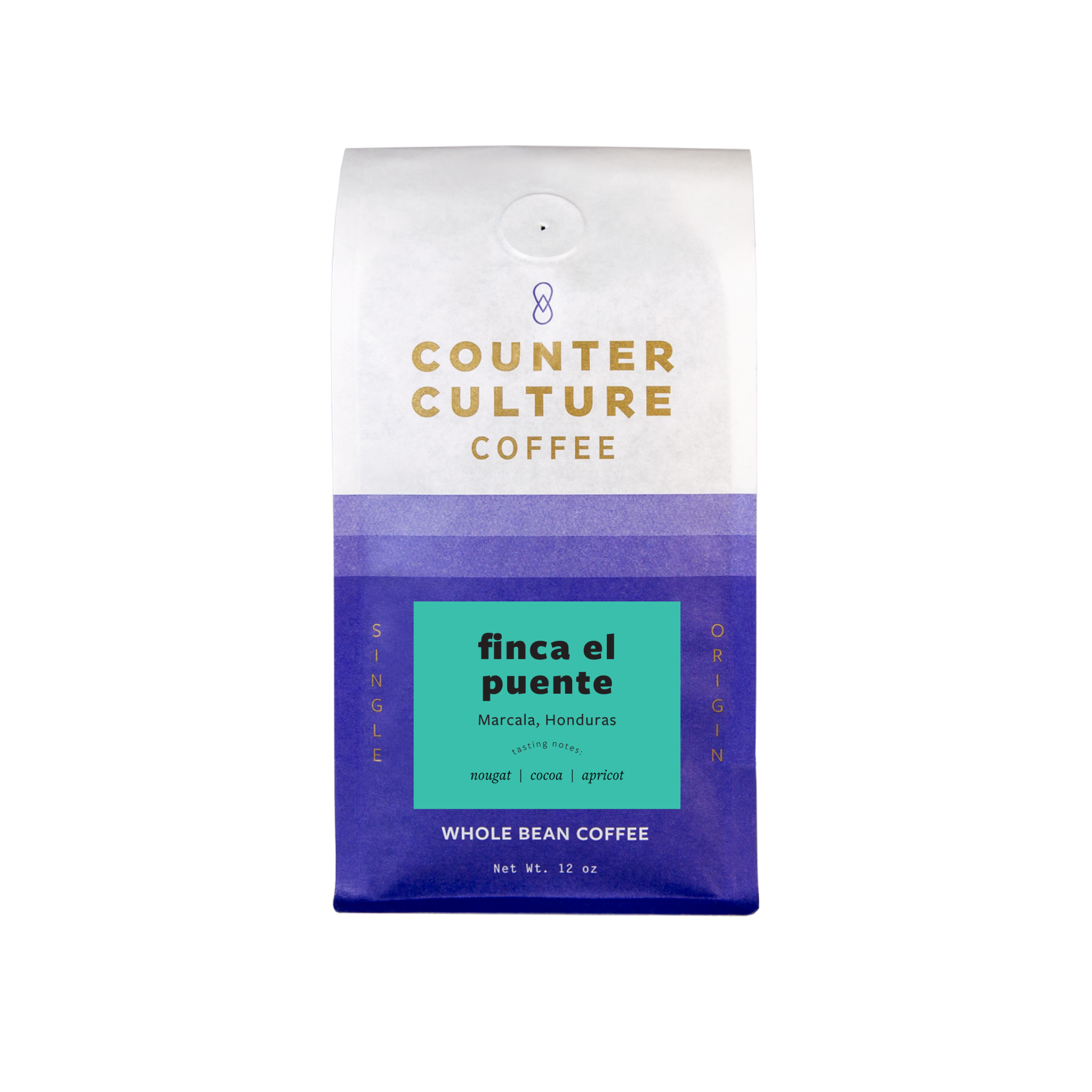
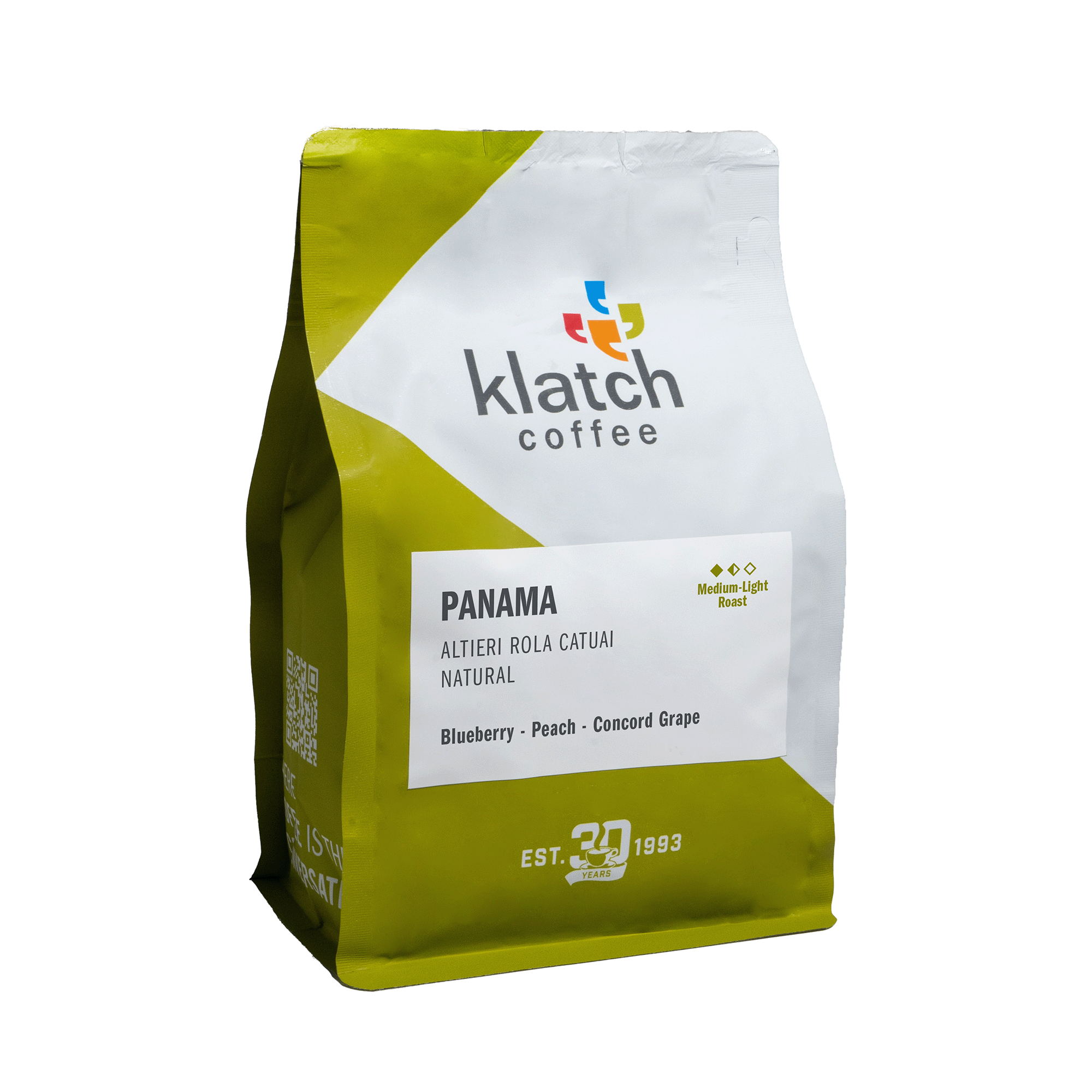
 Editorial illustration
Blend · Brazil
 Editorial illustration
 Editorial illustration
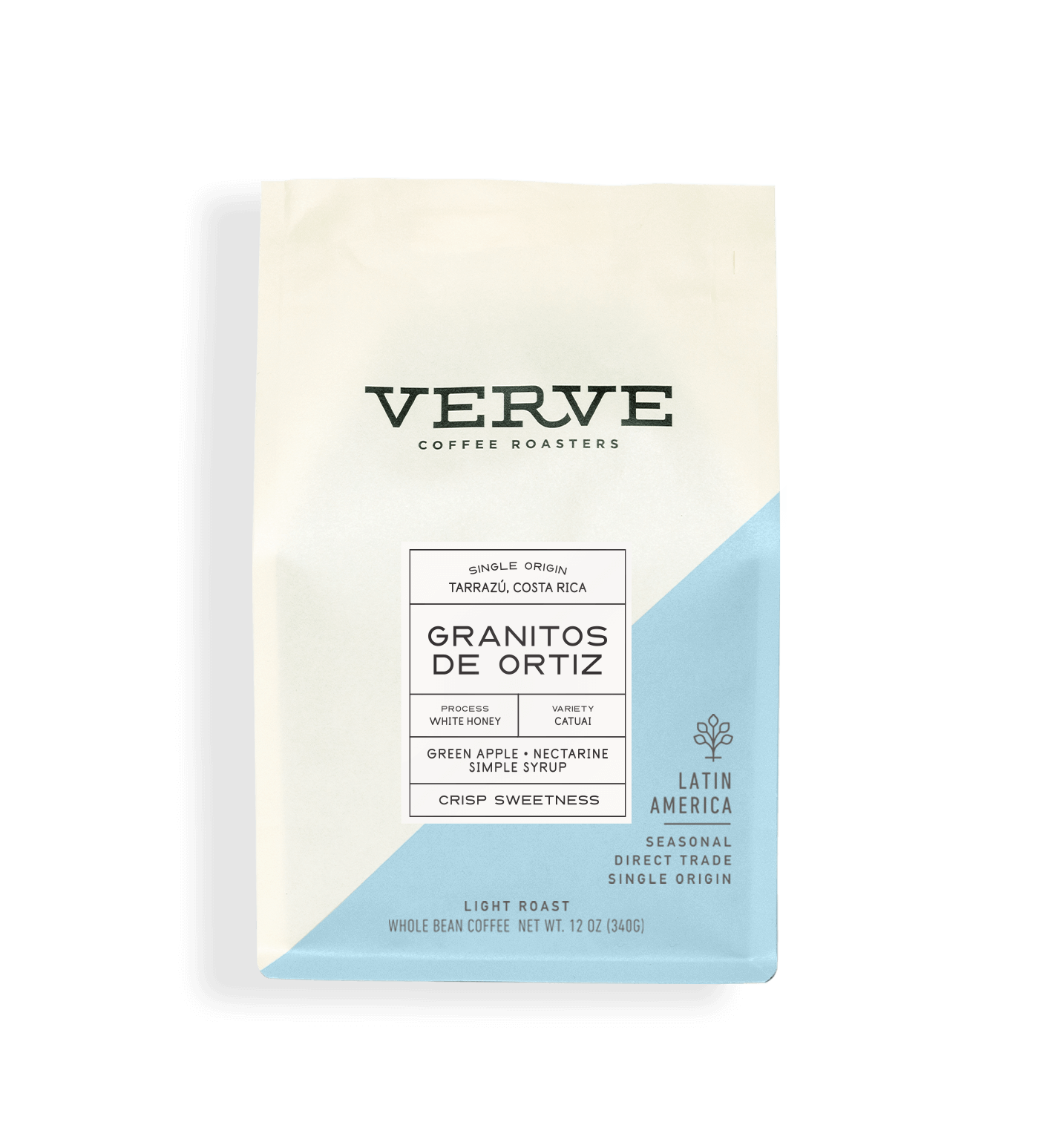
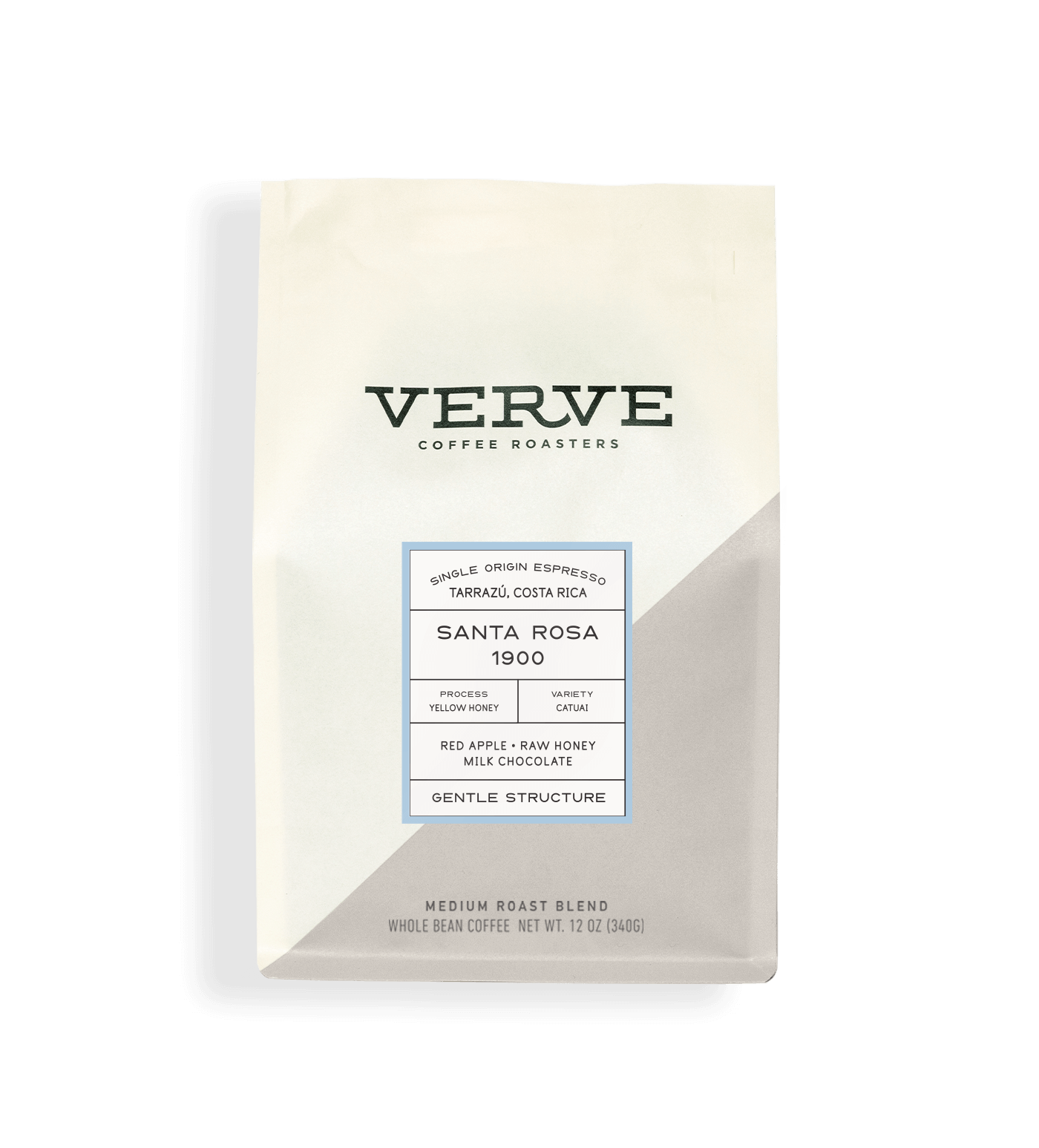
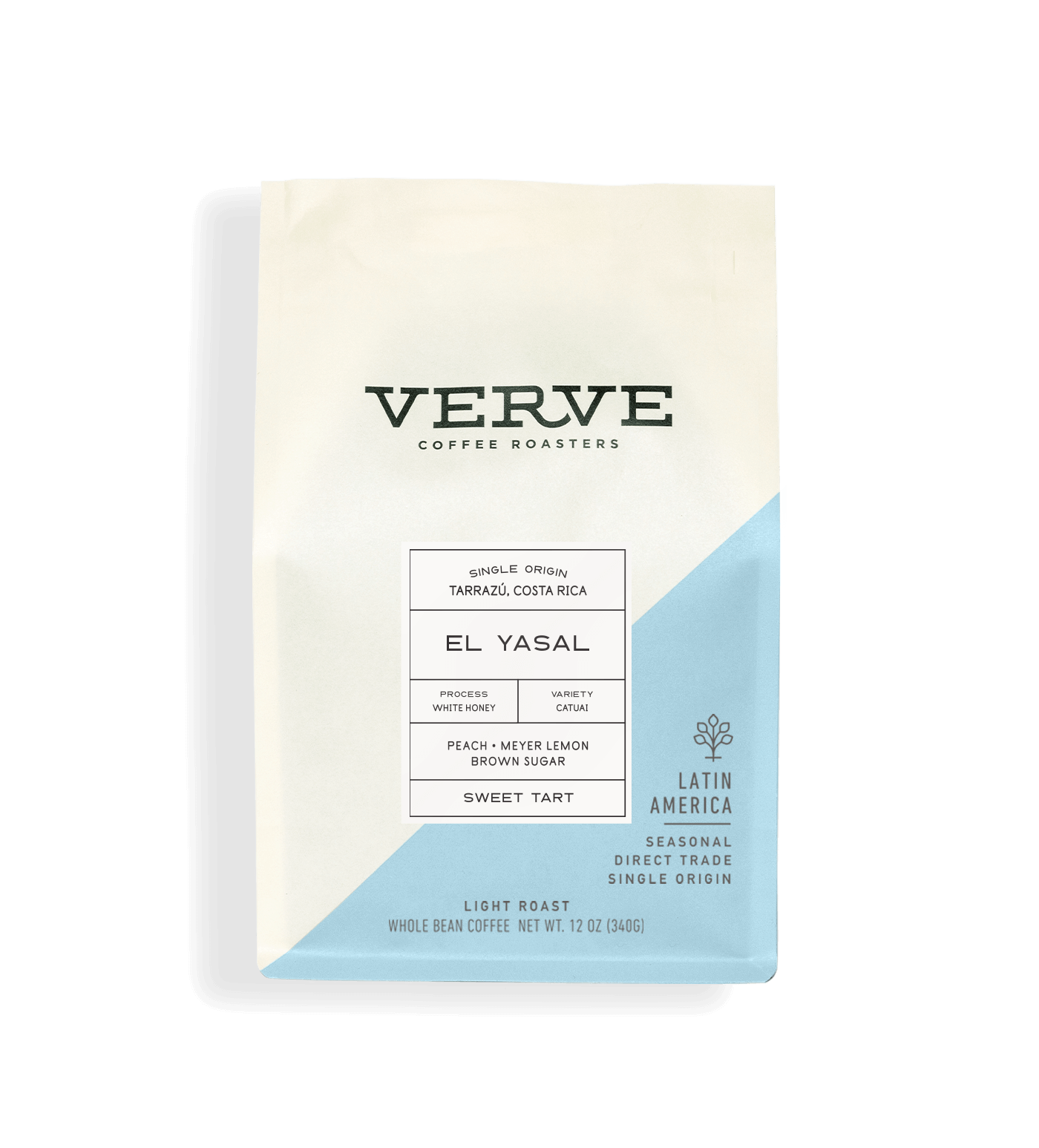
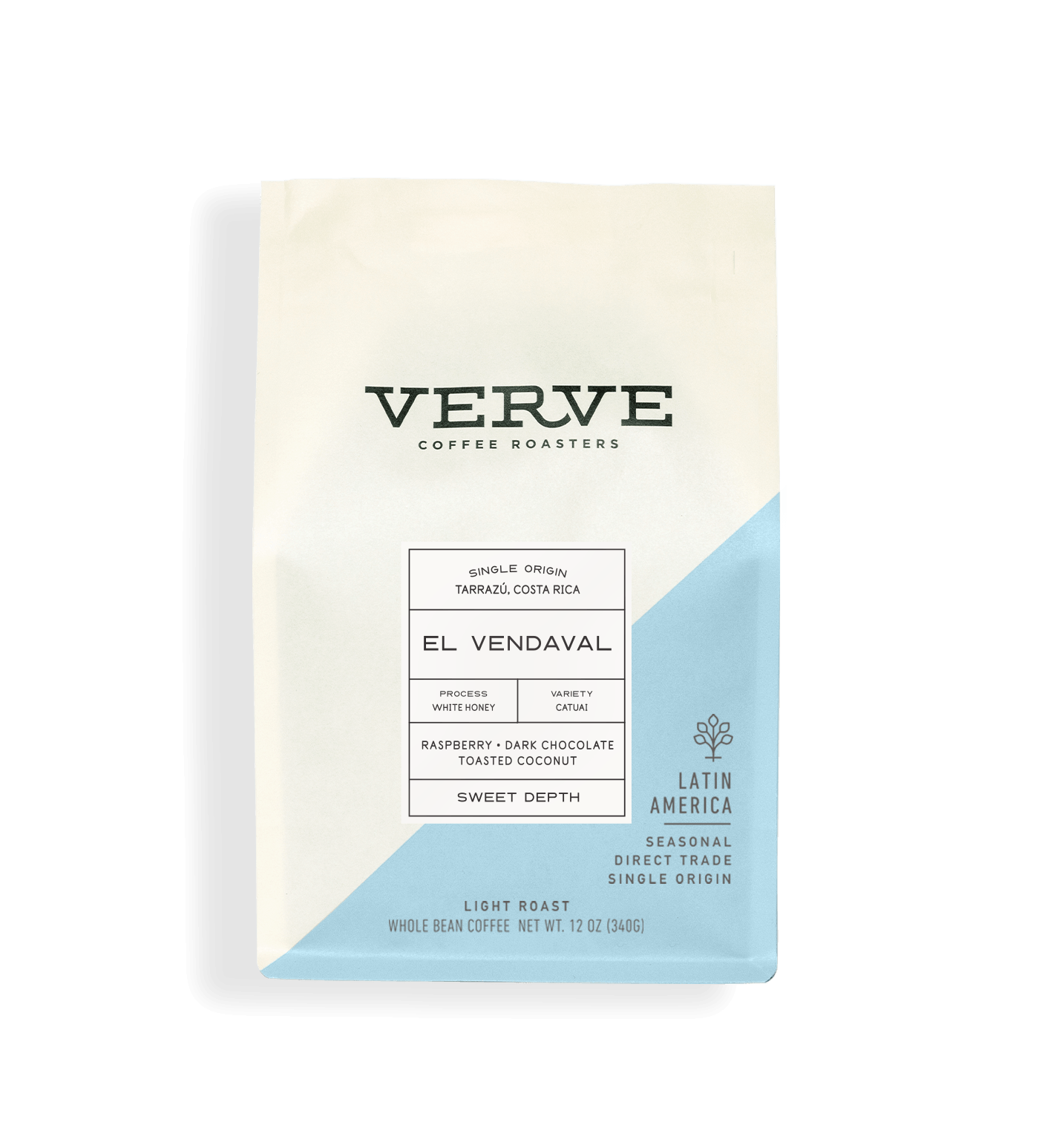


 Editorial illustration
 Editorial illustration
 Editorial illustration
 Editorial illustration
Learn something new, follow the people behind your cup, or explore by flavor and tags.


